


#GivingDecember
Dementia Awareness Challenge
According to authorities, the prevalence of dementia and mild cognitive impairment (MCI) among people aged 65 and above in Japan reached 28% in 2022. As dementia becomes a growing part of our shared reality, we invite you to join the Dementia Awareness Challenge to deepen your understanding of this condition.
For every perfect score achieved in the quiz at the end of the page, ¥10 will be donated to the Alzheimer’s Association Japan.

Dementia in our everyday lives (1/3)
What is dementia?
"Dementia" refers to a condition in which various brain diseases cause a gradual decline in the function of brain nerve cells, leading to a decline in cognitive function (memory, judgment, etc.), and disruption to social life.
The symptoms of dementia can be divided into two categories: "core symptoms" which are caused by the death of nerve cells in the brain, resulting in impairment of memory, orientation, understanding and judgment; and "behavioral and psychological symptoms" which are caused by a combination of various factors such as personality, environment and interpersonal relationships, resulting in anxiety, restlessness, hallucinations, depression, and the resulting wandering.
Source: Cabinet Office Government Public Relations Online " Basics of Dementia You Should Know "
Dementia in our everyday lives (2/3)
If someone close to you has dementia
If a family member or close friend develops dementia, it’s crucial to create an environment where they feel safe, respected, and encouraged to maintain their independence as much as possible, even if tasks take more time.
However, witnessing symptoms like forgetfulness and the gradual loss of abilities in a loved one can be emotionally overwhelming. Balancing their care while managing your own well-being is essential.
Dementia in our everyday lives (3/3)
Tips for caregivers
- Make time for hobbies and activities that matter to you outside of caregiving.
- Expand your network of reliable information sources.
- Recognize and appreciate what the person with dementia can still do today.
- Don’t hesitate to seek advice from trusted institutions, individuals, or organizations.
- Take advantage of available services, such as nursing care insurance.
Look for ways to share the responsibility, ensuring you’re not handling everything alone.
Dementia in the Community (1/3)
As a member of the local community
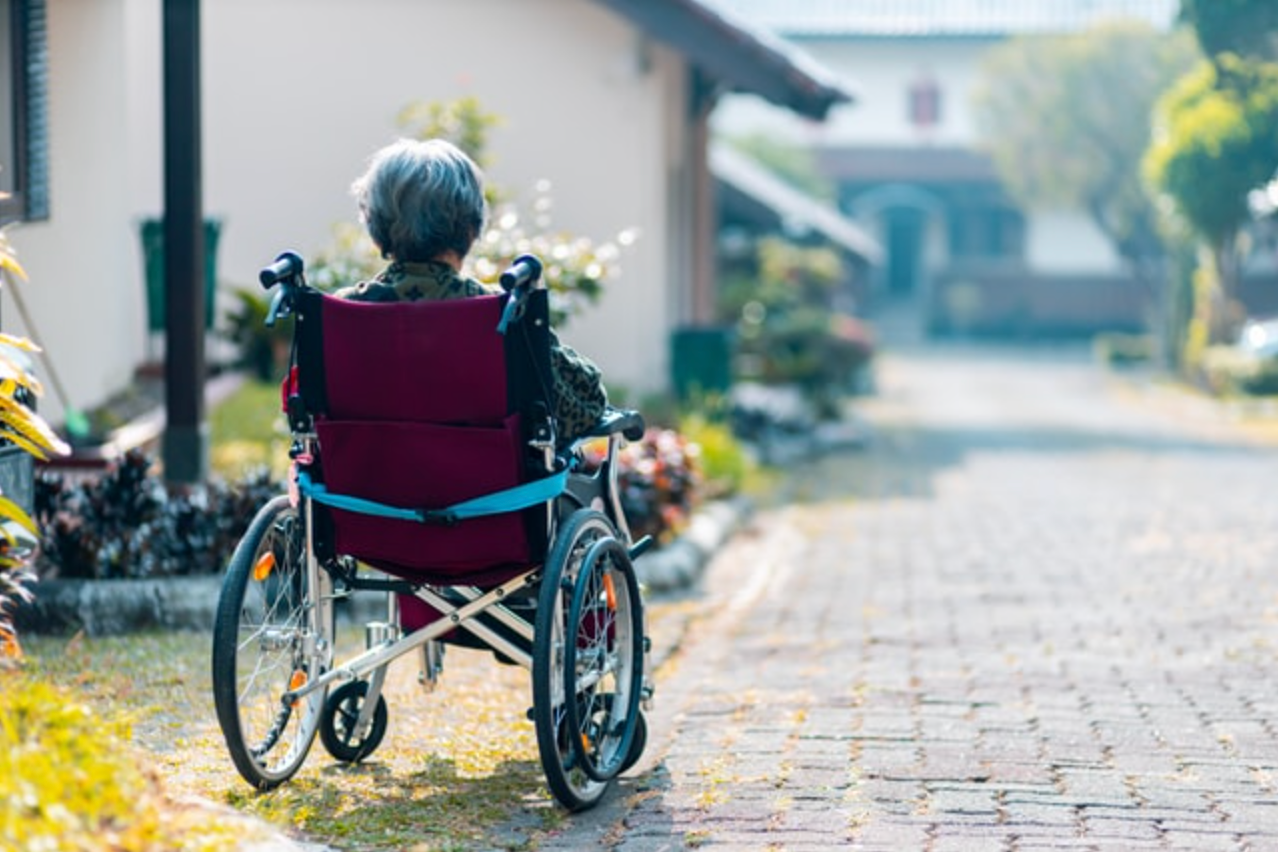
Wandering is a common behavioral and psychological symptom in people with dementia. Even if you don’t personally know someone with dementia, deepening your understanding and contributing as a community member is vital. Supporting efforts to prevent accidents or missing incidents caused by wandering can play a significant role in safeguarding the lives of those affected.
Dementia in the Community (2/3)
Signs of wandering
Examples of wandering behavior in people with dementia include:
- Walking in the rain without an umbrella.
- Being barefoot, wearing slippers, or mismatched shoes.
- Wearing clothing inappropriate for the weather.
- Walking at odd times, such as late at night or early in the morning.
- Appearing lost, such as standing with their head tilted at an intersection.
- Going back and forth to the same place repeatedly.
Dementia in the Community (3/3)
If you notice someone wandering
- Approach them gently from the front to avoid startling or alarming them.
- Listen attentively to their actions and thoughts, and empathize with their feelings.
- If they are unable to provide their name or address, check their clothing or shoes for any contact information and contact their family or the police to ensure their safety.
By deepening our understanding, we can work together to create a supportive community for those affected by dementia.
Prevention and measures (1/3)
Preventing Dementia
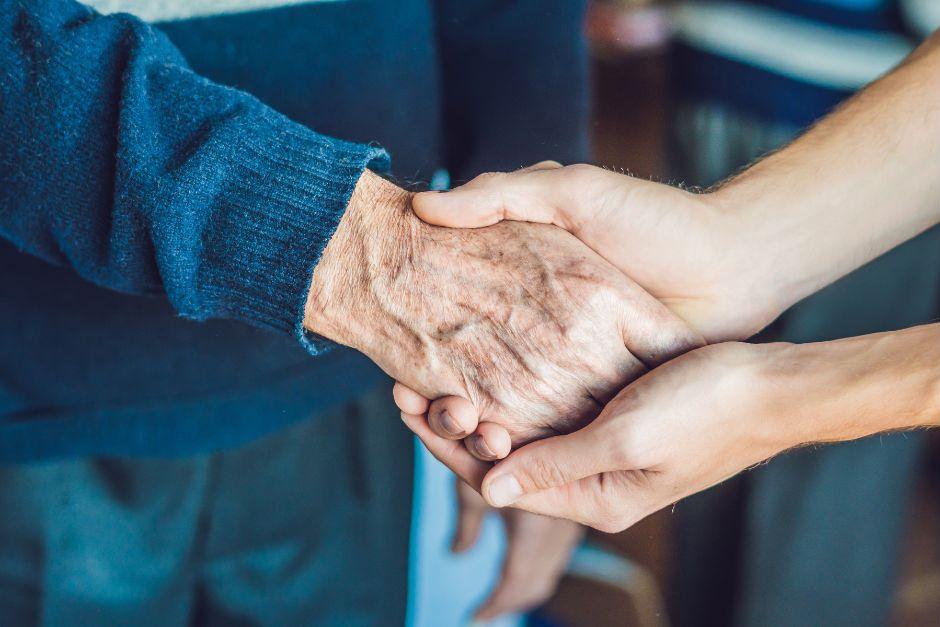
Anyone can develop dementia, but Alzheimer's disease and vascular dementia are strongly associated with lifestyle-related diseases. It is believed that dementia can be prevented by maintaining a diet rich in vegetables, fruits, and seafood, establishing regular exercise habits to reduce stress, and adopting a lifestyle that encourages active thinking.
Prevention and measures (2/3)
10 things families can do for people with dementia
1. Don’t overlook the important sign: "Hey, is something wrong?"
2. See a doctor early—some forms of dementia can be treated.
3. Knowledge is power. Let’s acquire accurate information about dementia.
4. Make active use of services such as nursing care insurance.
5. Be discerning when it comes to choosing quality services.
(Continued in the next section)
Source: the Alzheimer’s Association Japan
Prevention and measures (3/3)
10 things families can do for people with dementia
6. Experienced individuals are a treasure trove of wisdom. Feel free to consult with them anytime.
7. Recognize what they can do now and value it.
8. Don’t be ashamed, don’t hide, and expand your support network.
9. Take care of yourself and make time for activities outside of caregiving.
10. Help the person with dementia maintain their pre-diagnosis lifestyle.
Details of each item can be found here .
Source: the Alzheimer’s Association Japan
Quiz

Check your dementia awareness
Take the quiz!For every perfect score achieved, ¥10 will be donated to the Alzheimer’s Association Japan. The quiz can be retaken as many times as needed.
Resources to learn more about dementia (Japanese)
Web materials
Books
- "Understanding the World as Seen by People with Dementia through Manga (Health Practical Use)", edited by Hidetoshi Endo and written by Satoshi Kawabata, 2021, Bunkyosha.
- "A book to read when you want to understand people with dementia: correct knowledge and gentle ways to support them," Uchikado Daijo (editor), 2018, Yamato Publishing.
- "How to Live with a Family Member with Dementia in a Comfortable Way", Masahiro Shigeta (editor), Hirotake Uchikado, and Makoto Osawa (editor), 2018, Ikeda Shoten.
- "A Complete Illustrated Guide to Dementia", Hiroshi Yamaguchi (author), 2020, Shorinsha.
Dementia consultation services
This page is current as of November 29, 2024. The contents may be interrupted, canceled, or changed without notice.
The dementia quiz is being conducted by GOYOH K.K.
The content and information on this page is based on information from reliable external sources, but this site and its operators do not guarantee the accuracy of the content and information.